From Coffee Maker to Nightstand: Auditing the American Home for Levothyroxine Interference
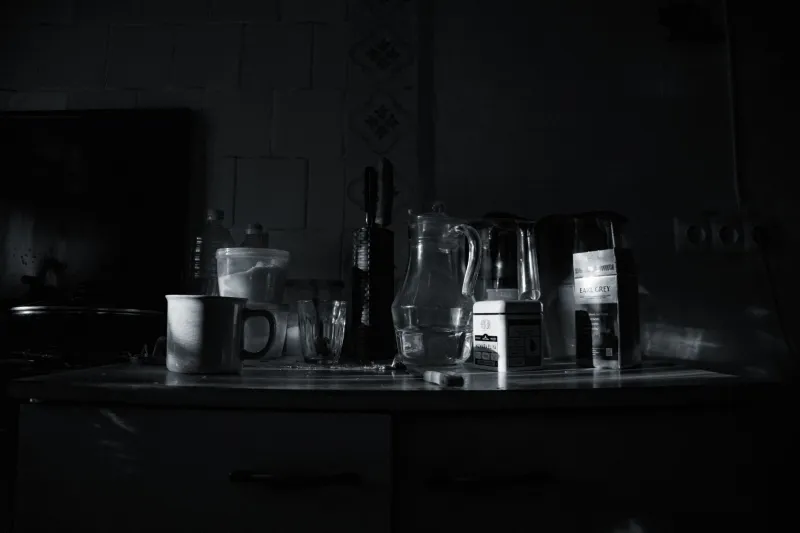
For most of the estimated 13 million Americans taking levothyroxine, the greatest threats to consistent thyroid control are not found at the pharmacy counter. They are sitting on the kitchen counter, tucked into the medicine cabinet, and waiting on the nightstand. Levothyroxine is famously unforgiving: taken correctly, it is absorbed reliably; taken alongside the wrong food, drink, or supplement, a meaningful fraction of the dose may never make it into the bloodstream.
What follows is a walkthrough of a typical American home — not to alarm, but to help you map the interaction hazards hiding in plain sight and time your dose around them.
The Kitchen: Where Breakfast Meets Your Tablet
The kitchen is the busiest interaction zone in the house, largely because most patients take levothyroxine first thing in the morning.
The coffee maker. Studies have shown that coffee can substantially reduce levothyroxine absorption — in one frequently cited trial, taking the tablet with coffee cut absorption measurably compared with water. If your morning ritual is non-negotiable, the standard guidance is to take your tablet with plain water on an empty stomach and wait at least 30 to 60 minutes before that first cup.
The refrigerator. That carton of calcium-fortified orange juice deserves a second look. Calcium carbonate is one of the best-documented absorbers of levothyroxine, binding the hormone in the gut before it can be taken up. Milk, yogurt, and fortified soy or almond beverages pose similar concerns. These items do not need to leave your diet — they simply need to be separated from your dose by several hours.
The pantry. High-fiber cereals, soy-based products, and even grapefruit juice have been flagged in the literature as potential modifiers of absorption. The effect is generally milder than that of calcium or iron, but consistency matters: the same breakfast pattern every day makes dosing more predictable.
The Bathroom Cabinet: The Supplement Shelf
If your kitchen is the busiest hazard zone, the bathroom cabinet is the most concentrated one. American supplement habits — often encouraged by well-meaning marketing — stack several interacting agents in one small space.
- Iron supplements and multivitamins containing iron. Among the strongest offenders. If you take iron for anemia or as part of a prenatal regimen, separate it from levothyroxine by at least four hours.
- Calcium chews and tablets. Popular with women focused on bone health, these carry the same four-hour separation guidance.
- Magnesium and zinc products. Common in sleep blends and immune formulas, these minerals can also chelate levothyroxine.
One structural note: because bathrooms are frequently humid, storage conditions matter here too. Levothyroxine is sensitive to moisture and light. A cabinet above a steamy shower is a poor long-term home for the bottle.
The Nightstand: The Evening Hazard
Many households keep an antacid tin, a sleep supplement, or a fiber drink mix within arm's reach of the bed. Each deserves scrutiny.
Antacids and acid reducers. Proton pump inhibitors and H2 blockers reduce stomach acidity, which levothyroxine relies on for proper absorption. Patients on these medications sometimes require dose adjustments — a conversation for your prescriber, not a reason to stop either drug. Over-the-counter calcium-based antacids taken after dinner can also interfere if your levothyroxine routine has shifted to bedtime dosing.
Fiber supplements and laxatives. Psyllium taken at night can bind medication taken in the evening. If you dose at bedtime, spacing matters even more than it does for morning dosers.
A growing number of patients take levothyroxine at night, roughly four hours after the last meal of the day. Research suggests bedtime dosing can work well — but only if the evening kitchen and nightstand hazards are respected.
Your Printable Audit Checklist
Use this list to walk through your home this week and mark what applies to you:
Kitchen
- Coffee or tea within one hour of my dose
- Calcium-fortified juice or milk at breakfast
- High-fiber or soy-heavy breakfast routine
Bathroom
- Iron-containing supplements or multivitamins
- Calcium tablets or chews
- Magnesium or zinc products
- Medication stored in a humid location
Bedroom / Living Room
- Antacids or acid reducers taken within four hours of dosing
- Fiber supplements near bedtime dosing
- Evening snacks that crowd a bedtime dose
For every box you check, the fix is usually the same: introduce a buffer of at least four hours between levothyroxine and the interfering item, or move the dose itself to a time of day when the house is quieter.
When the Audit Is Not Enough
Household adjustments protect absorption, but they do not replace laboratory monitoring. If you have recently added a supplement, started an acid-reducing medication, or overhauled your diet, mention it at your next appointment. TSH testing — typically repeated six to eight weeks after any significant change — remains the definitive check on whether your routine, not just your dose, is doing its job.
The thyroid-friendly home is not a home stripped of coffee, calcium, or comfort foods. It is a home where timing does the heavy lifting, and where the right four hours of separation quietly protect a very small, very important tablet.