Vacation-Proofing Your Thyroid Medication: A Traveler's Guide to Levothyroxine on the Move
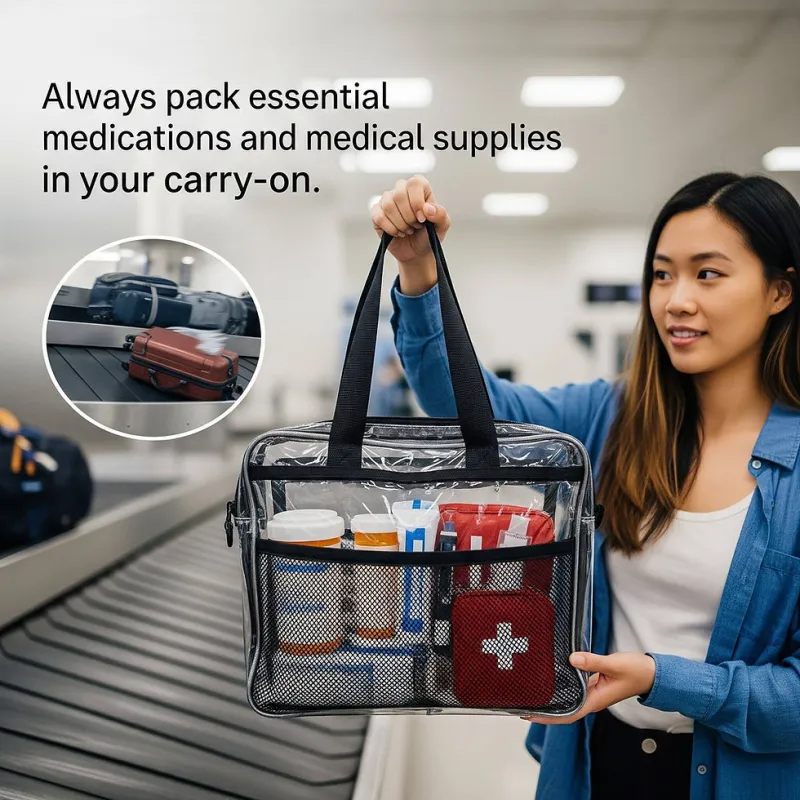
Photo: traveler packing prescription medication bottle carry-on suitcase airport, via static.wixstatic.com
Vacations are supposed to lower your stress, not raise it. Yet for the millions of Americans who take levothyroxine every morning, packing for a trip can raise real questions: Will the tablets survive the heat in a suitcase? Can I bring them through security without a hassle? What happens if my bag — and my pills — end up in the wrong city?
The good news is that traveling with thyroid medication is straightforward once you know the rules. Here is how to keep your dose on schedule from departure gate to hotel room.
Start With the Carry-On Rule
The single most important packing decision is also the simplest: keep your levothyroxine in your carry-on bag, never in checked luggage. Checked bags can be lost, delayed, or exposed to temperature extremes in cargo holds, and replacing a prescription mid-trip is far harder than enduring a delayed flight.
Transportation Security Administration (TSA) rules allow passengers to bring solid tablets and prescription medications in reasonable quantities through security checkpoints. Medications do not need to be in original packaging under federal rules, but keeping them in the labeled pharmacy bottle can smooth the screening process and help you answer questions quickly. If you use a weekly pill organizer, that is permitted as well — just carry the prescription label or a printed copy separately in case an officer asks.
Liquid medications follow different rules and may require additional screening, but the overwhelming majority of levothyroxine patients take tablets, so this rarely applies.
Temperature: The Quiet Threat
Levothyroxine is sensitive to heat, light, and moisture. Tablets are typically stored at room temperature — roughly 68°F to 77°F — and prolonged exposure outside that range can degrade potency over time.
- Road trips: Never leave your medication in a parked car. A glovebox in an Arizona summer or a trunk in a Florida August can easily exceed 130°F. Bring the bottle inside wherever you stop overnight.
- Cruises: Cabin temperatures are generally stable, but avoid storing pills on a sunny windowsill or a balcony table. A drawer or the cabin safe works well.
- Beach destinations: A small insulated pouch or padded pill case adds a layer of protection during long days outdoors.
You do not need refrigeration — in fact, cold plus moisture can be as problematic as heat. The goal is simply stability.
Crossing Time Zones Without Losing Your Dose
Levothyroxine works best on a consistent schedule: typically first thing in the morning, on an empty stomach, 30 to 60 minutes before food or coffee. Travel disrupts that rhythm in two ways — shifting clocks and shifting routines.
A practical approach for most travelers:
- Short trips (one to three time zones): Keep taking your dose at your home-time morning. If you normally dose at 7 a.m. Eastern and you're in California, take it at 4 a.m. Pacific — or simply shift gradually toward local morning over a few days.
- Long-haul travel: Adjust to local time by roughly one to two hours per day rather than making an abrupt jump. Never double up to "catch up."
- Early flights: If your departure precedes your usual dose time, take the tablet as soon as you wake and delay breakfast until the required window has passed. Airport food courts make the wait easier than the airplane snack cart does.
If you use the same routine every day — water bottle by the bed, phone alarm, pills in a travel case — the habit tends to survive the trip better than willpower alone.
When Things Go Wrong: Lost, Stolen, or Forgotten
Even careful travelers hit snags. Know your recovery options before you need them:
- Call your pharmacy chain first. Large national chains can often transfer or refill prescriptions at a branch near your destination.
- Use a telehealth visit. Many U.S. telehealth services can arrange a replacement prescription the same day.
- Ask a local pharmacist about emergency supply rules. Most states permit pharmacists to dispense a limited emergency supply of maintenance medications without a new prescription, though rules vary.
- Contact your insurer. Replacements for lost medication may be covered under lost-vacation or override provisions, depending on your plan.
Carrying a photo of your prescription label on your phone takes ten seconds and makes every one of these conversations faster.
Your Pre-Travel Checklist
Print this and check it off before you leave:
- Refill filled at least one week before departure
- Medication packed in carry-on, not checked bag
- Pharmacy-labeled bottle or printed prescription copy included
- Extra four to seven days of tablets packed in a separate bag
- Prescriber's office and pharmacy phone numbers saved in phone
- Insurance card and photo ID packed
- Time-zone plan for morning dosing written down
- Insulated pill case packed for hot-weather destinations
- Alarm set for dosing time (home time or adjusted)
The Bottom Line
A week away from home should not mean a week of thyroid chaos. With your pills in your carry-on, a plan for time zones, and a recovery strategy in your back pocket, your levothyroxine routine can travel as smoothly as you do — leaving you free to focus on the vacation itself.
As always, discuss any questions about your specific dosing schedule or travel circumstances with your pharmacist or prescribing clinician before you go.