Same Pill, Different Pharmacy? Understanding AB Ratings and Synthroid Substitution

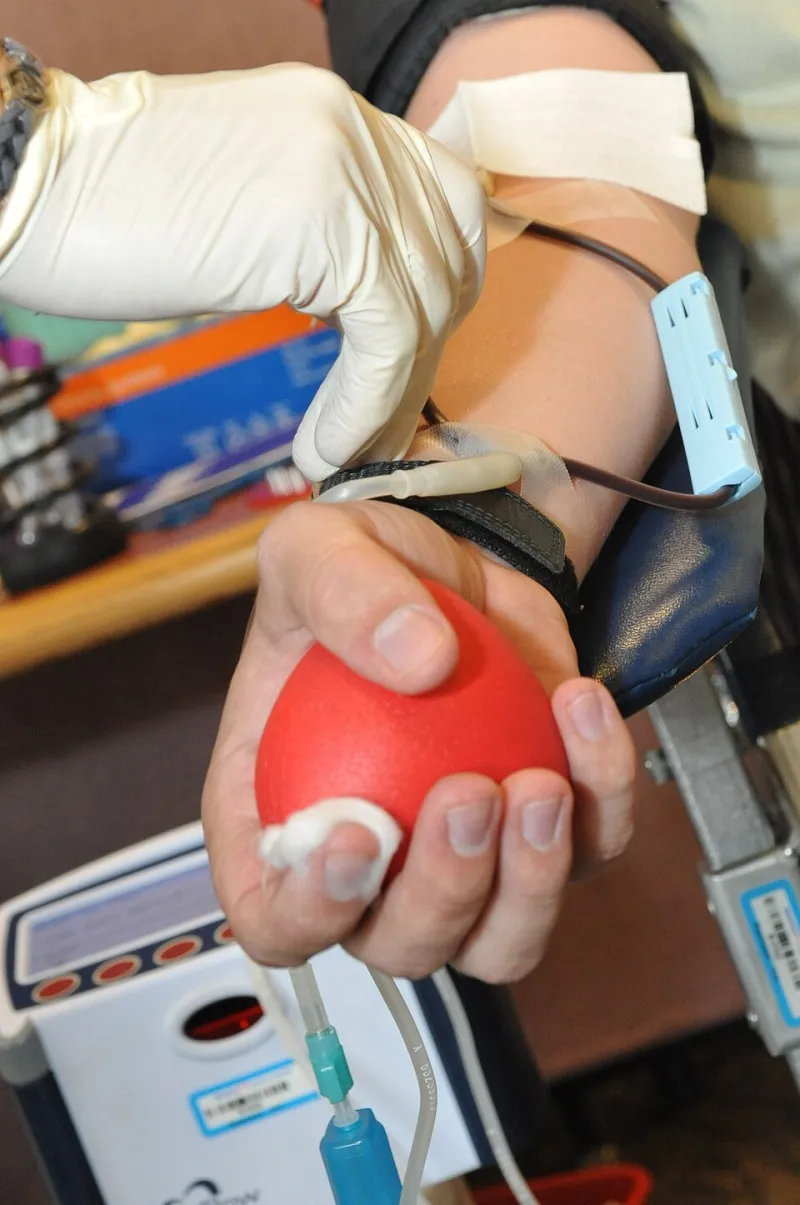
Photo: U.S. Navy photo by Chief Warrant Officer 4 Seth Rossman., Public domain, via Wikimedia Commons
For millions of Americans managing hypothyroidism, a routine trip to the pharmacy can carry an unexpected surprise: a refill that looks, tastes, or performs differently than the last one. If you have ever picked up a generic bottle instead of your usual brand — or the reverse — and wondered whether it truly matters, you are not alone. The answer lies in a regulatory framework most patients never hear about: the FDA's bioequivalence rating system.
What an "AB Rating" Actually Certifies
When the Food and Drug Administration evaluates a generic medication, it does not require the manufacturer to repeat the full clinical trial process that the original brand underwent. Instead, the generic maker must demonstrate bioequivalence — that the product delivers the active drug into the bloodstream at a rate and extent that falls within an acceptable range of the reference product.
Generic levothyroxine products carry an AB rating, which signals that the FDA considers them therapeutically interchangeable with brand-name Synthroid. In practical terms, an AB-rated generic should:
- Deliver the same amount of active hormone into circulation
- Produce the same therapeutic effect within the study parameters
- Meet the same manufacturing and quality standards as the brand
The FDA's position is unambiguous: an AB-rated generic and the brand are interchangeable for the vast majority of patients.
Why the Narrow Therapeutic Index Complicates Things
Levothyroxine belongs to a class of medications regulators call narrow therapeutic index (NTI) drugs — medications where tiny differences in blood levels can translate into meaningful clinical changes. A variation of just a few micrograms can, in theory, shift a patient from a euthyroid state into mild under- or over-treatment.
Because of this, the FDA applies tighter bioequivalence tolerances to levothyroxine than to many other drug classes. Even so, the accepted statistical window is not zero. Two products can both pass bioequivalence testing while sitting at slightly different points within the approved range — one near the upper boundary, one near the lower. For a sensitive patient, switching between them may produce subtle, real differences in how they feel, even if both products meet regulatory standards.
The Auto-Substitution Puzzle
Here is where many patients get tripped up. Most U.S. states have generic substitution laws that require pharmacists to dispense the lowest-cost equivalent unless the prescriber explicitly writes "dispense as written" or "brand medically necessary." Meanwhile, generic wholesalers frequently rotate suppliers based on cost — meaning your pharmacy may stock a different manufacturer's levothyroxine this month than last month.
The result: a patient taking the same milligram dose can unknowingly cycle through two, three, or even four different formulations over the course of a year. Each switch, however small the differences, requires the body to adjust — and for some patients, a follow-up TSH test may reveal the shift before symptoms do.
Questions Worth Asking Your Pharmacist
If consistency matters to you — and for thyroid patients, it often should — consider raising these points at the counter:
- "Which manufacturer do you currently stock for my dose?" Knowing the name on your bottle is the first step toward tracking it.
- "Can you flag my profile to dispense the same manufacturer with each refill?" Many pharmacies can add a note, though supply-chain realities sometimes limit this.
- "Did my refill come from the same maker as last time?" A quick question that takes seconds to answer.
If you and your physician decide brand-name Synthroid is the better choice, ask your doctor to indicate it on the prescription. Be aware that insurance formularies may require a prior authorization or a higher copay for the brand, so it is worth checking your plan's tier structure in advance.
What the Evidence Says About Patient-Reported Differences
Surveys and patient forums are full of accounts of feeling different after a formulation switch. Controlled studies, by contrast, have largely failed to detect clinically significant differences between AB-rated products at the population level. Both things can be true: population-level equivalence does not preclude individual variability, and patients' observations deserve to be taken seriously rather than dismissed.
The most reliable arbiter is your own lab work. If you switch formulations — voluntarily or not — scheduling a TSH check roughly six to eight weeks afterward can confirm whether your dose remains appropriate. Objective data beats anecdote, whether the anecdote favors the brand or the generic.
The Bottom Line
The FDA's AB rating system exists to give patients confidence that generics deliver what they promise, and for most people with hypothyroidism, that confidence is well placed. But thyroid management is a long game built on consistency — in timing, in dosing, and ideally in product source. Whether you take Synthroid or a generic equivalent, the smartest strategy is the same: know what you are taking, keep it consistent, verify with periodic labs, and bring any concerns to your healthcare team rather than adjusting on your own.
Your thyroid medication is not a one-size-fits-all decision, even when the law says the pills are interchangeable. A brief conversation with your pharmacist today can spare you weeks of guesswork down the road.