Before Your Next Blood Draw: Five Errors That Distort TSH and Free T4 Results
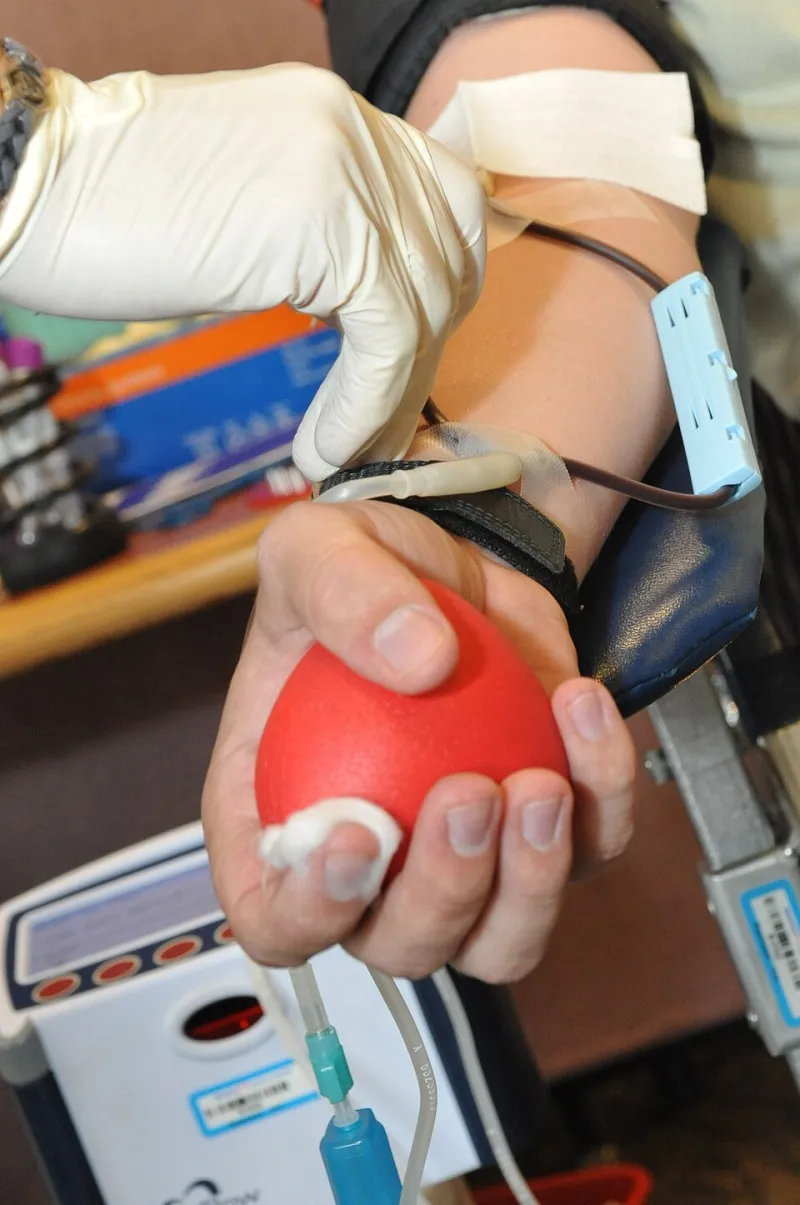
Photo: U.S. Air Force photo by Senior Airman Christopher Gross, Public domain, via Wikimedia Commons
Thyroid dosing decisions live and die by the lab report. A physician adjusting your levothyroxine is interpreting a single snapshot: a TSH value, a Free T4 level, and the story those numbers tell. But that snapshot can be blurred by surprisingly ordinary patient habits — many of which have nothing to do with the medication itself. If your labs have ever seemed inconsistent or prompted an unexpected dose change, one of these five testing errors may be the culprit.
Mistake 1: Taking Levothyroxine Too Close to the Draw
Levothyroxine taken within hours of a blood draw can transiently elevate serum T4 and Free T4 levels, producing a reading that does not reflect your steady-state hormone status. The effect is modest but real — and it can nudge a borderline result over the line.
The fix: Most endocrinologists recommend drawing blood before your morning dose of levothyroxine. One practical approach: take your pill after the blood draw, then resume your normal schedule the following day. If your appointment is in the afternoon, holding the dose until after the test is still preferable to taking it beforehand. Whatever you choose, the key is doing the same thing every time, because consistency is what makes serial results comparable.
Mistake 2: Ignoring Biotin Supplements
This is the error most patients have never heard of — and it is arguably the most consequential. Biotin (vitamin B7), widely marketed for hair, skin, and nail health, is a common ingredient in multivitamins and beauty supplements, often at doses far above the daily requirement.
Many thyroid lab assays use a biotin-based detection technology. Excess circulating biotin can falsely lower TSH and falsely raise Free T4, mimicking the lab pattern of over-treatment. A physician reviewing such a report might reduce your levothyroxine dose unnecessarily.
The fix: The general guidance from laboratory organizations is to stop biotin-containing supplements at least 48 to 72 hours before thyroid testing — some labs advise even longer for high-dose products. Check labels carefully; biotin hides in products you would never suspect, including some energy drinks and prenatal formulations.
Mistake 3: Inconsistent Fasting and Timing Between Visits
Strict fasting is not required for thyroid panels the way it is for lipid or glucose testing. However, eating a heavy meal shortly before the draw can modestly influence results, and — more importantly — the time of day of your draw matters.
TSH follows a natural circadian rhythm, peaking in the late-night and early-morning hours and dipping through the afternoon and evening. A blood draw at 8:00 a.m. and a draw at 3:00 p.m. can yield TSH values that differ meaningfully for the same person, the same dose, the same thyroid. An afternoon result may read lower simply because of the clock, not because your dose changed.
The fix: Schedule draws in the morning when possible, and if your prior labs were drawn in the morning, keep subsequent draws in the morning too. Flag any timing differences for the physician reviewing the results.
Mistake 4: Changing Your Routine Right Before Testing
Because dose adjustments are typically evaluated six to eight weeks after a change, the period leading up to a lab draw should reflect your stable, everyday regimen. Patients sometimes alter habits before testing — taking the pill more religiously after weeks of missed doses, or skipping it out of confusion about fasting instructions. Both distort the picture.
The fix: In the weeks before your draw, take your medication exactly as prescribed and note any missed doses honestly. If you cannot remember whether you took the pill on the morning of the test, mention it when the sample is collected. Your care team would rather interpret an imperfect result with context than a clean-looking result that is quietly misleading.
Mistake 5: Not Asking Which Tests Are Being Ordered
Not all thyroid panels are created equal. A basic TSH screen tells one story; adding Free T4, Free T3, or thyroid antibodies tells others. Patients sometimes assume a "thyroid test" covers everything, only to learn later that a key marker was never drawn — forcing a second appointment and a second needle.
The fix: Before your appointment, ask which specific tests are ordered and why. If you are due for a periodic monitoring panel, confirm it matches the panels from prior years so results can be compared apples to apples. Also verify whether your lab is in-network for your insurance plan; unexpected out-of-network lab bills are a common and avoidable frustration for U.S. patients.
Turning Better Labs Into Better Care
None of these fixes requires special expertise — just a little planning and a few pointed questions. The payoff is substantial: accurate, comparable lab values mean your levothyroxine dose is adjusted based on your true thyroid status, not on a biotin artifact or an afternoon TSH dip. Bring your supplement list to every appointment, keep your testing routine consistent, and treat each blood draw as a deliberate data point in a long-term record. Your future self — and your dose — will be better calibrated for it.