When the Tablet Looks Different: Patient Experiences With Brand-to-Generic Levothyroxine Switches

Photo: U.S. Navy photo by Chief Warrant Officer 4 Seth Rossman., Public domain, via Wikimedia Commons
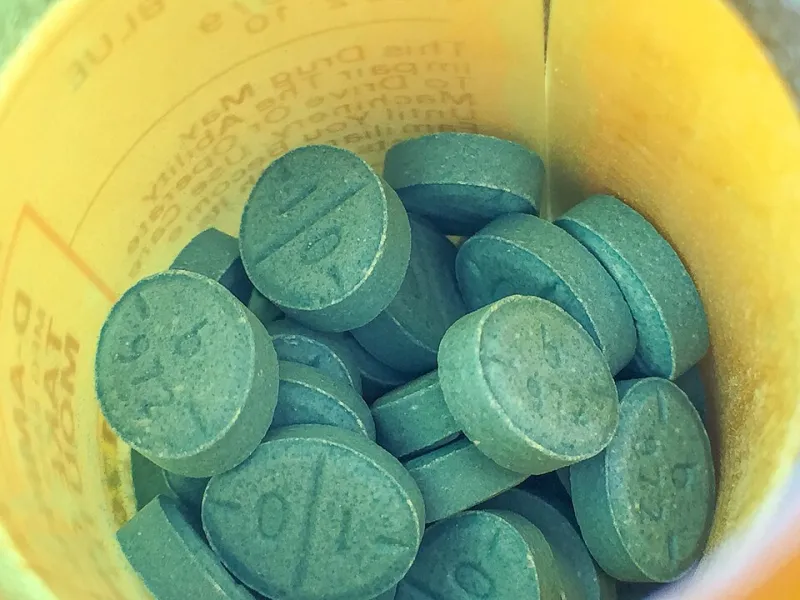
At the pharmacy counter in Toledo, Ohio, a retired schoolteacher named Marlene noticed something odd two weeks into a new insurance year. Her small, round Synthroid tablets had been replaced by an oval, pale-yellow pill she didn't recognize. Her pharmacist explained it was an automatic substitution — her plan had switched its preferred generic supplier. Within a month, she reported feeling sluggish again, the familiar fog she thought she'd left behind.
Stories like Marlene's circulate widely in hypothyroidism support groups across the country, and they raise a fair question: if generic levothyroxine is "the same" as Synthroid, why do some patients insist they can tell the difference?
What the FDA Actually Requires
All levothyroxine products sold in the United States — brand and generic alike — must meet the FDA's standards for bioequivalence: the generic must deliver the same amount of active drug into the bloodstream at roughly the same rate as the reference product. The agency considers this sufficient to declare the products therapeutically interchangeable.
Critics, including some endocrinologists and the American Thyroid Association in past position statements, have argued that levothyroxine is a narrow therapeutic index drug — meaning small variations in blood levels can produce meaningful changes in how patients feel. Because TSH is sensitive to shifts as small as 10–20% in hormone levels, even a technically compliant bioequivalence window (80–125%) may matter more for thyroid patients than for someone taking, say, a statin.
The Inactive Ingredients Question
The active hormone in a generic tablet is, chemically, identical to Synthroid's. What differs are excipients — the binders, fillers, dyes, and coatings. Common examples include lactose, corn starch, acacia, and various colorants. For the vast majority of patients, these are inert and irrelevant.
For a minority, they may not be. Patients with lactose intolerance or sensitivities to specific dyes occasionally report GI upset or other reactions when moving between formulations. Whether excipients can subtly alter absorption of levothyroxine itself remains debated, but some clinicians suspect it in patients whose TSH drifts after a switch with no other explanation.
What Patients Report
Anecdotes shared in online communities and clinic waiting rooms tend to fall into three camps:
- No difference at all. The largest group by most accounts — the swap happens, labs stay stable, life continues.
- A temporary adjustment period. Some describe two to six weeks of fatigue, palpitations, or brain fog that resolves as the body settles, often mirroring normal dose-optimization fluctuations.
- Persistent symptoms confirmed by labs. A smaller group sees TSH move enough that their prescriber adjusts the dose or requests the original brand.
The honest caveat: placebo and nocebo effects are real, and so are confounders — seasonal changes, new medications, inconsistent timing. That's why lab work, not feelings alone, should arbitrate whether a switch has truly destabilized therapy.
Questions Worth Asking Your Pharmacist
Before accepting a substituted prescription, patients can ask:
- Was this an automatic substitution, and can I request brand-name Synthroid instead? In many states, prescribers can write "dispense as written," though insurance may charge a higher copay.
- Is this the same generic manufacturer I had last month? Generics come from different makers; staying with one manufacturer adds consistency.
- Does this formulation contain lactose or dyes I've reacted to before? Pharmacists can check inactive ingredients on request.
- When should I recheck my TSH? Most endocrinologists advise testing six to eight weeks after any formulation change.
Managing a Switch Safely
If a substitution is unavoidable, a deliberate approach helps. Keep taking the medication exactly as before — same time, same conditions, empty stomach with water. Note the new pill's appearance and manufacturer in a medication journal. Schedule a TSH test roughly six weeks out rather than waiting for the annual draw. And resist the urge to self-adjust the dose; if labs shift, that's a conversation for the prescriber, who can either tweak the dose or document a medical necessity for the brand.
The Bottom Line
The evidence suggests most patients tolerate brand-to-generic switches without consequence, and the FDA's system exists precisely to make that possible. But thyroid patients are not unreasonable to want consistency in a medication where micrograms matter. Documenting changes, asking informed questions, and verifying with follow-up labs transform a confusing pill swap into a manageable, monitored transition — one where the patient, not the pharmacy's formulary, stays in control of the outcome.