Dorm Life, Dining Halls, and Daily Doses: A Student's Field Guide to Levothyroxine on Campus

Photo: Shimer College, CC BY 2.0, via Wikimedia Commons
For thousands of American students, the fall semester begins with a checklist longer than any syllabus: bedding, a laptop, a meal plan. For those managing hypothyroidism, one more item deserves a permanent spot on that list — a plan for taking levothyroxine reliably, hundreds of miles from the pharmacy that has known you since high school.
Transferring Your Prescription Across State Lines
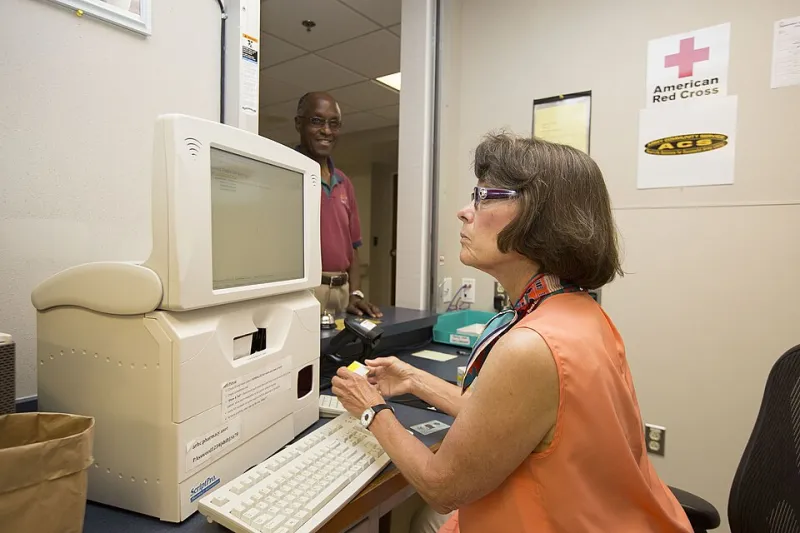
Unlike controlled substances, levothyroxine can generally be transferred between pharmacies, but the process is smoother with preparation. Before move-in day, call your home pharmacy and ask them to initiate a transfer to a location near campus — most national chains can do this internally in a single phone call, since the store near your dorm is often in the same system.
A few practical pointers:
- Choose a pharmacy within walking distance of campus. During a busy semester, a 40-minute bus ride is a genuine barrier to refills.
- Verify your insurance network in your college's state. Some student health plans or Medicaid coverage from your home state may not work at an out-of-network pharmacy.
- Ask about refill sync. Aligning your refill date with semester breaks can prevent a scramble during finals.
- Carry a paper copy of your prescription in case of transfer delays or system errors.
If your prescriber is back home, ask whether they offer telehealth follow-ups. Many now do, which matters when your TSH check is due in October, not winter break.
The Dorm Room Dosing Problem
Levothyroxine works best on an empty stomach, 30 to 60 minutes before food — a rule that collides head-on with dorm life. Your roommate may microwave breakfast at 7 a.m.; your 8 a.m. class may start before you're fully awake.
Consider building the dose into an existing anchor habit: setting an alarm 45 minutes before your real wake-up time, keeping the bottle on your nightstand with a small water bottle, and taking the pill before your feet hit the floor. Students who keep medication in a shared bathroom or on a communal desk risk both missed doses and curious questions — a closed drawer or small locked box solves both.
Storage matters, too. Levothyroxine is sensitive to heat, light, and moisture. A windowsill in a south-facing dorm room or a steamy shared bathroom can degrade the tablets; a cool, dry drawer is preferable.
What to Tell Your Roommate
You are not obligated to disclose a medical condition, but a brief, matter-of-fact explanation often prevents friction: "I take a thyroid pill first thing in the morning before I eat anything, so if you see me with a pill before breakfast, that's why." Roommates who understand the routine are less likely to schedule early shared meals or be alarmed by a pill organizer on the nightstand.
If you have a close friend or resident assistant you trust, letting one person know about your condition can be valuable in an emergency, particularly if you ever experience symptoms like a racing heart or severe fatigue.
All-Nighters, Dining Halls, and Symptom Flare-Ups
Finals week is where routines go to die. Sleep schedules invert, meals happen at midnight, and the careful morning rhythm that keeps levothyroxine absorption consistent can collapse entirely. While a single disrupted week won't cause lasting harm, chronic chaos matters: irregular sleep can mask or mimic hypothyroid symptoms, making it harder to tell whether your dose needs adjustment or your schedule needs repair.
A few realistic strategies:
- Take your dose at the same clock time even if bedtime drifts — consistency of the dose matters more than the hour you wake.
- If you take your pill late, wait the full 30–60 minutes before eating rather than abandoning the routine.
- Keep caffeine from crowding out breakfast entirely; coffee on an empty stomach after your dose is fine, but skipping food all day worsens fatigue and concentration problems.
- Watch for symptoms that suggest your dose needs review — persistent palpitations, unexplained weight shifts, or worsening cold intolerance — and schedule a student health center visit rather than waiting for break.
Building Your Campus Support System
Most universities' student health services can handle routine lab work and, at many schools, even continue prescriptions initiated by a specialist. Register with the health center during orientation week, before you need it. Request that lab results be sent to both your home endocrinologist and any campus provider so your care stays coordinated.
Finally, set a calendar reminder for prescription renewals well before winter and summer breaks. The most common student dosing disaster isn't a missed morning — it's arriving home for the holidays with two tablets left in the bottle.
Hypothyroidism should not dictate your college experience, but respecting the medication's demands will protect the energy you need to make the most of it.