When Your Alarm Rings at Midnight: Rethinking Levothyroxine Timing for Overnight and Rotating Shifts
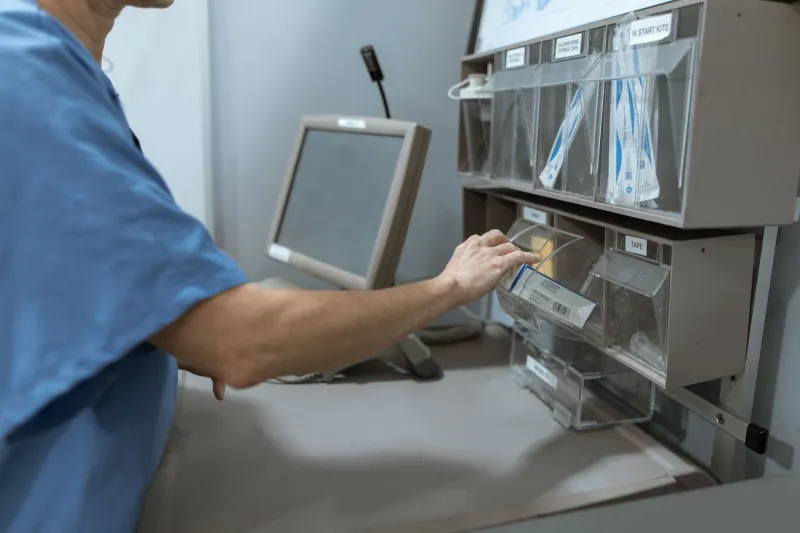
Standard levothyroxine instructions read like a lifestyle only morning people could love: take it on an empty stomach, first thing upon waking, and wait 30 to 60 minutes before eating or drinking anything other than water. For roughly 15 million Americans whose workdays begin when everyone else's ends, that advice collides with reality. A nurse finishing a twelve-hour night shift, a long-haul trucker crossing time zones, or a bartender whose 'morning' begins at 2 p.m. all face the same question: what does 'first thing in the morning' even mean when your morning happens at midnight?
The answer matters more than many patients realize. Levothyroxine is a narrow therapeutic index medication, meaning small shifts in absorption can translate into measurable changes in thyroid hormone levels and, over time, in TSH readings that drive dose adjustments.
Why Consistency Outranks the Clock
The single most important principle in levothyroxine timing is not the hour on the clock — it is consistency relative to food and other medications. Studies comparing morning dosing with evening dosing have found that both can achieve comparable absorption, provided the dose is taken well away from meals. One frequently cited trial found bedtime dosing performed slightly better than morning dosing, possibly because the stomach is emptier at night and intestinal absorption proceeds without the interference of breakfast beverages like coffee.
For shift workers, this is genuinely good news. The research suggests the goal is not a literal sunrise dose but a dose taken at a consistent point in your personal daily rhythm, separated from food by at least an hour and from certain interacting medications and supplements by three to four hours.
Choosing Your Anchor Time
Rather than anchoring the dose to the clock, anchor it to a stable event in your schedule. Consider these evidence-informed options:
- The wake-up dose, whatever hour that is. If you wake at 3 p.m. before a night shift, taking levothyroxine upon waking is chemically equivalent to a traditional morning dose. The waiting period before food still applies.
- The bedtime dose. If your schedule makes an empty-stomach wait impractical upon waking, taking the tablet two to three hours after your last meal — for example, right before sleeping — is a well-supported alternative. Ensure you have not eaten a heavy snack in the preceding hours.
- A mid-'day' fixed time. Some patients on rotating schedules choose a fixed clock time, such as noon, when they are reliably medication-consistent regardless of which shift they are working.
Whichever anchor you choose, the key is holding it steady day to day, including on days off, so your blood levels remain predictable.
A Sample Dosing Planner for Three Common Shift Patterns
Pattern 1: Permanent Night Shift (working 7 p.m. to 7 a.m.)
- Wake around 3 p.m.; take levothyroxine immediately upon waking.
- Delay coffee and breakfast until roughly 4 p.m.
- On days off, resist the urge to flip to a daytime schedule; if you do flip, take the dose upon waking at the new hour rather than skipping or doubling.
Pattern 2: Rotating Shifts (alternating days and nights weekly)
- Select a fixed clock time — noon is often practical — and take the dose then daily, regardless of your sleep schedule.
- Alternatively, keep the dose tied to waking, but set a phone alarm so the dose is never skipped during post-shift sleep.
- When your rotation changes, maintain the same rule; do not compensate for a disrupted week by adjusting your dose on your own.
Pattern 3: Split or Swing Shifts (e.g., 3 p.m. to 11 p.m. rotating earlier)
- A bedtime dose often works best here: finish dinner at least two to three hours before bed, then take the tablet as the last act of your day.
- Keep a written or app-based log of dose times for your first several weeks; bring it to your next lab appointment so your clinician can interpret your TSH in context.
Special Cautions for Irregular Schedules
Shift workers face a few hazards beyond timing. Night-shift eating patterns often include frequent snacking, which can erode the empty-stomach window. Calcium-containing antacids, iron supplements, and even coffee can substantially reduce absorption, so map these against your dose time. If you take proton pump inhibitors or other acid-reducing medications, discuss the interaction with your prescriber.
Finally, never use a disrupted schedule as a reason to alter your dose independently. If your TSH drifts out of range after a schedule change, your clinician can help distinguish a timing problem from a true dose problem — often simply by standardizing your dosing routine before retesting.
The Bottom Line
Levothyroxine does not care whether the sun is up. It cares whether it arrived on an empty stomach at a consistent time in your personal day. For America's nurses, drivers, factory crews, and service workers, that reframing turns an impossible rule into a workable routine. Choose an anchor, protect the separation from food and interfering substances, and keep your prescriber informed — your next lab result will thank you.